The Map Is Shrinking
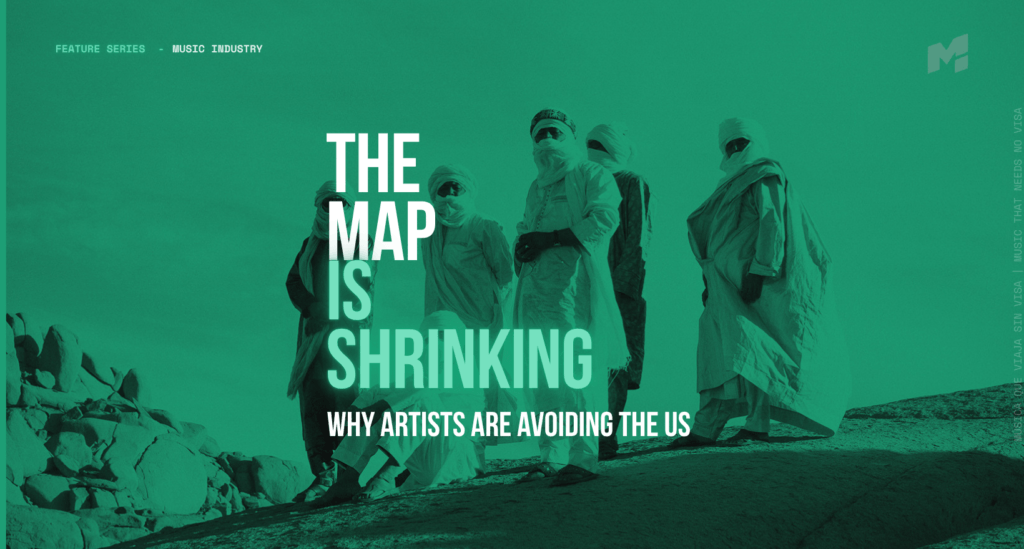
How the Trump administration’s policies are pushing international artists out of the United States — and what that means for the world, for Canada, and for art itself.
Alvin Gibbs landed in the United States after an 11-hour flight. His visa was in order, his contracts signed, his dates confirmed. It was March 2025, and UK Subs, the British punk band that has been playing stages for decades, had come to tour. At the airport, customs agents stopped him. Twenty-five hours later, he was deported. He never saw a stage. Gibbs said he suspected his public criticism of Donald Trump had something to do with it.
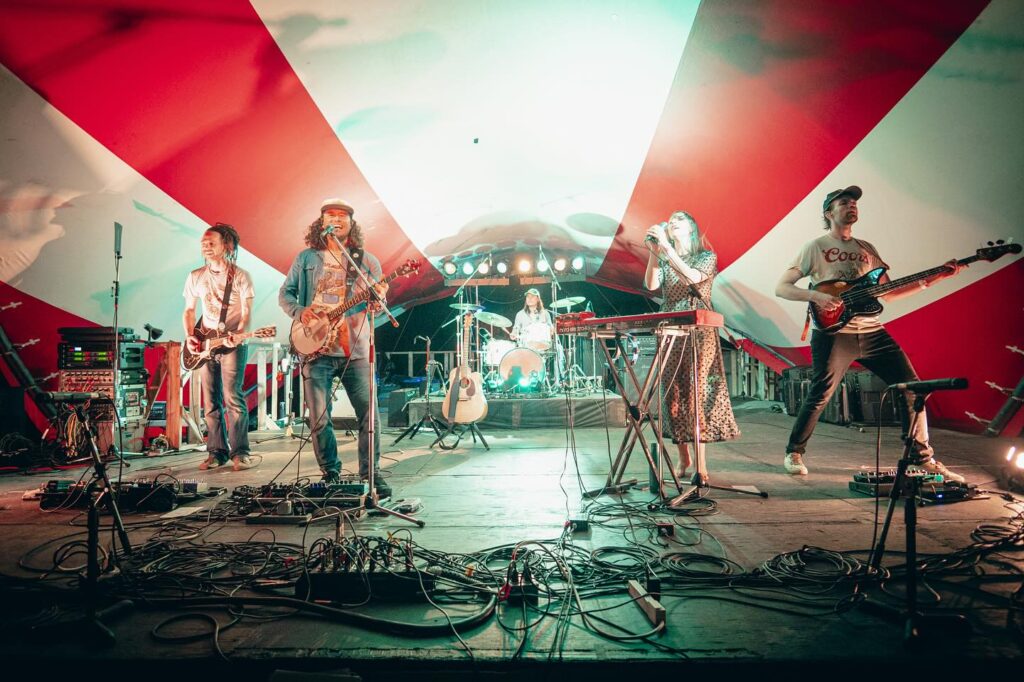
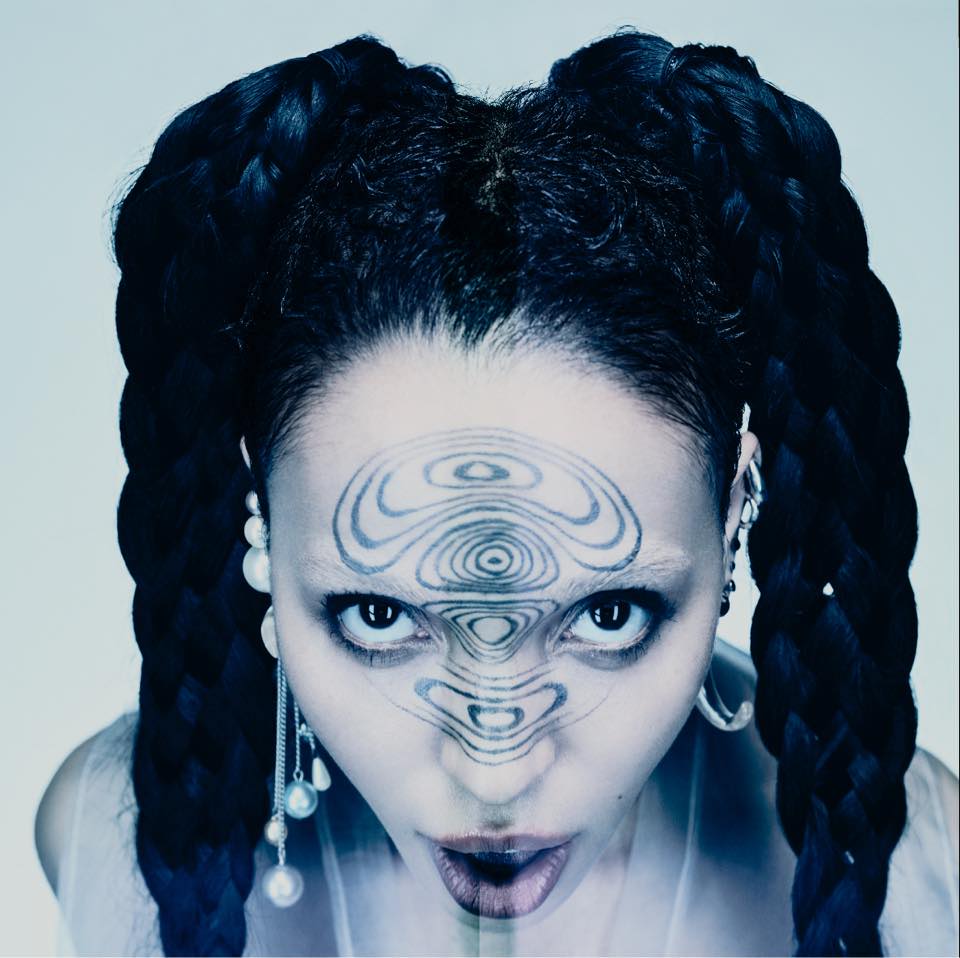
He wasn’t alone. That same year, FKA twigs canceled her Coachella 2025 appearance and her entire American tour over visa problems. She called it ‘one of the most painful times of my career.’ A year later she came back, she played Coachella 2026. But not everyone can afford to wait a year. Canadian band Shred Kelly canceled their U.S. shows in Portland and other cities even though their lawyer had told them they were clear. German violinist Christian Tetzlaff and Iranian-German pianist Schaghajegh Nosrati canceled their U.S. tours citing the political climate. An Austrian guitarist canceled his entire American tour. And Neil Young, born in Canada, a U.S. citizen since 2020, a rock icon for half a century, wrote on his website that he was afraid he might not be allowed back into his own country if he kept criticizing the president.
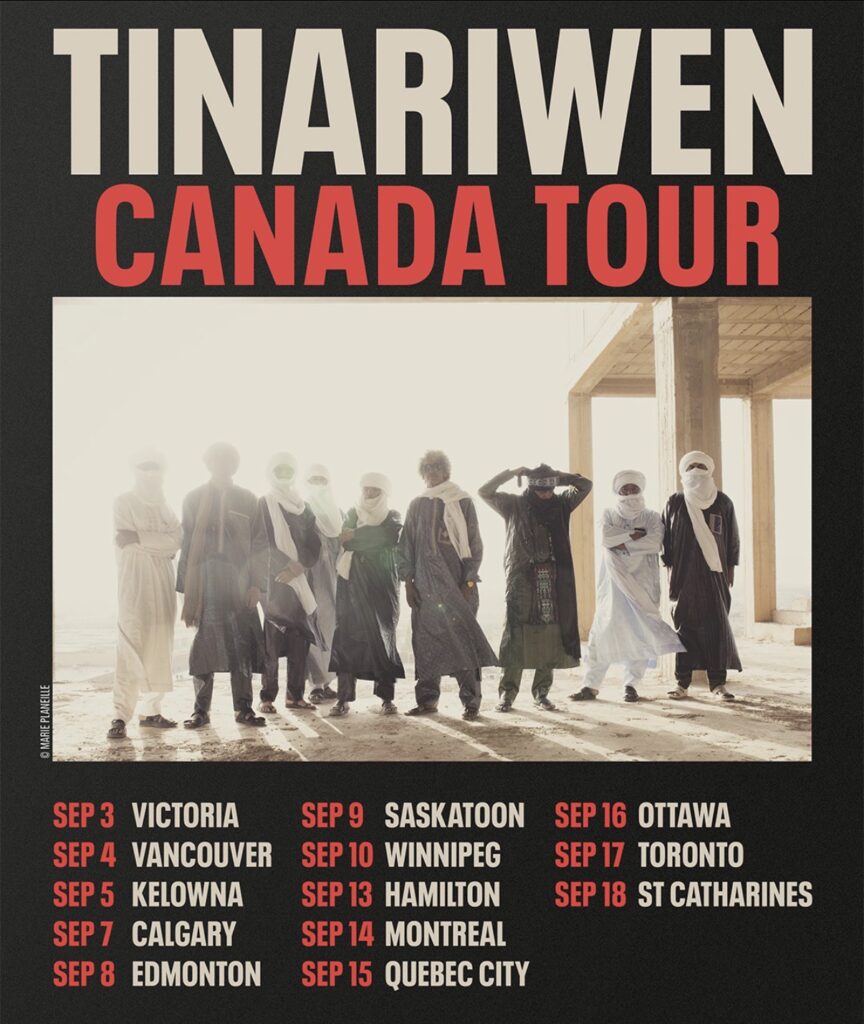
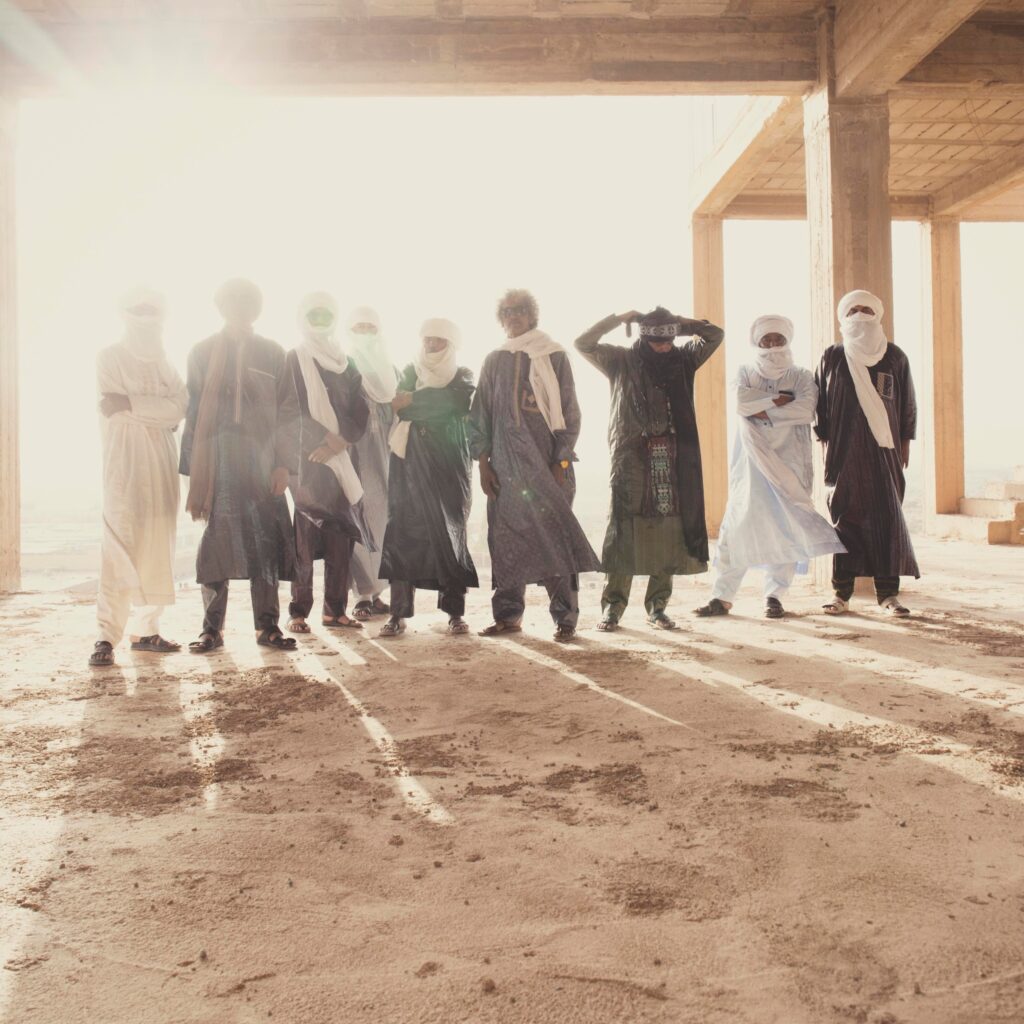
And then, almost in passing, almost like a joke, the Tuareg band Tinariwen posted the announcement of their Canadian tour with a line that sums it all up: ‘Since the USA is off the map, join us on our Canadian tour.’
It wasn’t a joke. It was a diagnosis.
What it costs to get in
To understand what’s happening, you have to understand the machinery first. The U.S. artist visa system was, even before Trump, one of the most expensive and complicated in the world. The bureaucracy isn’t new. What’s new is the fear.
A U.S. artist visa, O-1 or P-3, doesn’t cost $460. That was before, and it was just the government filing fee. In April 2024, under the Biden administration, that fee jumped to between $830 and $1,655 depending on the type of sponsor. But that’s just the starting point. Add lawyer fees, because without a lawyer the odds of approval drop sharply, which run between $3,000 and $9,000. If the artist needs the visa quickly, because normal processing times can stretch to nine months, there’s an expedited processing fee of an additional $2,965 to the government, plus emergency attorney fees on top of that. The real total cost of a U.S. artist visa in 2025 runs from $7,000 to over $20,000 per case.
For a band of five musicians with their technical crew, we’re talking tens of thousands of dollars before selling a single ticket, before stepping on a single stage, before knowing whether they’ll even be let across the border. Because even with an approved visa in hand, a customs agent can deny entry. No explanation. No appeal. No refund.
“I fronted more than $10,000 in hotels, flights, and visa petitions — and the visa was denied.”
— Bill Smith, booking agent, Riot Artists
The fear of that scenario, spending all that money and being turned away anyway, has become the real deterrent. Not the paperwork. Not the costs. The fear. ‘People are making choices on their own to not even bother,’ a Rolling Stone journalist covering the story described. Shred Kelly wasn’t rejected at the border. Shred Kelly canceled before they even tried, because the risk was no longer worth it.
When the visa becomes a political weapon
Under Trump’s second administration, something changed in nature. The problem is no longer just bureaucratic. It’s political in the most direct sense: having your papers in order no longer guarantees anything, because what might cost you entry, or re-entry, is what you said in an interview, what you posted online, the cause you supported, the identity you have.
Neil Young put it with the clarity that real fear produces. ‘If you say anything bad about Trump or his administration, you may be barred from re-entering USA,’ he wrote in April 2025. Young holds American citizenship. He was afraid anyway.
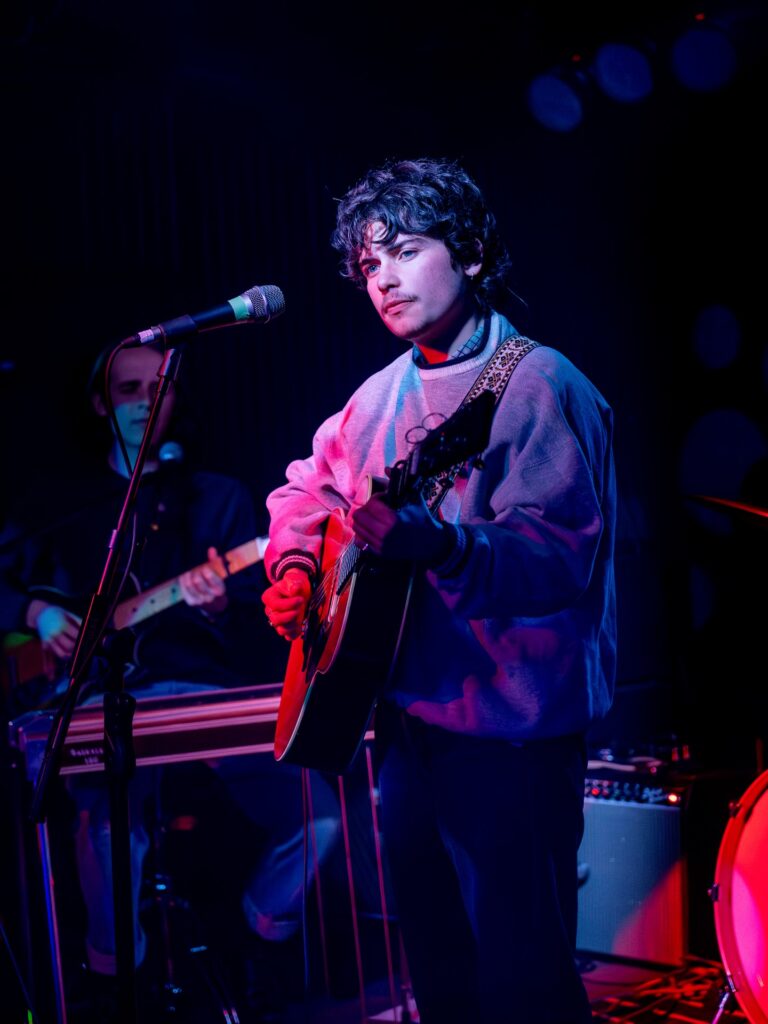
The case of Bells Larsen is perhaps the most revealing about how far this can go. Larsen is a Canadian transgender singer-songwriter who spent four years building his first album, recording it before and after his transition, harmonizing his past voice with his present one. An album about what it means to become who you are. When he was ready for his first U.S. tour, a USCIS policy update arrived: the agency now only recognizes two biological sexes as assigned at birth. Larsen had already changed the gender marker on his passport. There was no way to make the documents line up.
He had to cancel.
“We are real people with real stories to tell through our art, which is meaningful and important and our voices have to be heard. It’s just completely devastating.”
— Bells Larsen, Canadian singer-songwriter
For artists from the Global South, African, Latin American, from the Arab world, the barriers are even higher. Since Trump’s first administration in 2017, visa forms began demanding 15 years of travel and employment history, five years of social media handles, details about funding sources and personal contacts. U.S. consulates in Africa and Muslim-majority countries applied that scrutiny far more aggressively than in Europe. Tinariwen is from the Malian Sahara. The equation needs no further explanation.
Canada: the opportunity and the trap
When Tinariwen chooses to tour Canada instead of the United States, the instinct is to celebrate it. And there are real reasons to do so. Entering Canada as an international artist costs around $230 per musician, versus the thousands demanded by the American system. The process is predictable. There are no border agents with discretionary powers to deport you for what you said on Twitter.
The Canada Council for the Arts funds up to 50% of international touring costs on Canadian territory, capped at $75,000 per project. In other words, Canada isn’t just easier to enter: it has an institutional ecosystem actively designed to attract art from around the world. While the U.S. builds bureaucratic walls, Canada opens doors.
But the story has another side, and it matters to tell it. The uncomfortable truth is that Canada also needs the United States. Emerging Canadian artists, those not in Toronto or Montreal, those who don’t yet have a name, depend on the American market to grow. ‘The Canadian music industry isn’t really receptive to new musicians until they break somewhere else,’ says Dan Boeckner of Wolf Parade, with the honesty of someone who has spent 20 years crossing the border to play.
And that border now works just as badly in both directions: Canadian artists who want to play in the U.S. face the same costs, the same wait times, the same risk of being turned away. Boeckner puts it in numbers: ‘It’s completely unaffordable for anyone who doesn’t come from some kind of generational wealth, or hasn’t saved up $10,000 to $12,000 to get visas for their band.’ The wall doesn’t discriminate.
“Seasons are going to be shorter, or there’s going to be fewer artists. You can rely on local and regional artists, but you’re not getting the diversity. You’re not going to be debuting as many artists.”
— Mateo Mulcahy, International Latino Cultural Center of Chicago
Why power always fears art
There’s a question this phenomenon forces us to ask, even if it’s uncomfortable: why do authoritarian regimes, and administrations with authoritarian tendencies, always go after artists? Why isn’t political, economic, and military power enough? Why do they also need to silence songs?
The answer is ancient and always the same: because art does exactly what authoritarian power fears most. It names things. It names injustice with emotional precision. It names fear in a way that fear itself cannot articulate. It names the dignity of those the powerful have decided don’t deserve it. And that naming has a capacity to mobilize, to connect, to make people recognize themselves in someone else’s pain, that no political speech can match.
The Nazis burned books and banned jazz, they called it ‘degenerate music,’ associating it with Jews and Black people. The USSR persecuted Shostakovich and Prokofiev until they were forced into public humiliation. Latin American dictatorships of the 20th century murdered Victor Jara, exiled Silvio Rodríguez, banned songs that didn’t even mention politics by name. Apartheid tried to silence Miriam Makeba. Iran has jailed rappers. China censors lyrics.
The pattern never changes: power feels threatened not by the musician with a guitar, but by what that musician represents. The possibility that a truth exists which the state doesn’t control. The memory of what came before. The imagination of what could come next. The freedom to feel something the regime didn’t approve.
What the Trump administration is doing with artist visas isn’t just immigration policy. It’s the continuation of that ancient logic wearing an administrative suit: if you can’t refute the song, stop it from being sung. If you can’t answer the criticism, revoke the visa. Nobody says ‘we’re banning this band.’ They just say the paperwork wasn’t in order. But the artists know. The agents know. And the audience left without their show is starting to understand it too, even if they don’t have the exact word for what they’re feeling.
In a world full of war and hate, in this specific world, should art go silent? The question is almost a trick: it’s precisely in this world that art cannot go silent. It’s in the moments of greatest social fracture that we most need the music that comes from somewhere else, the story that isn’t ours, the voice that names what we couldn’t name ourselves. That’s exactly why certain powers want to extinguish it.
The map shrinks — but art always finds a way out
In the worst moments in history, art found a way. In the USSR, jazz circulated recorded on discarded X-rays, they called them ‘music on bones.’ In Latin American dictatorships, singer-songwriters used metaphors so charged that a song about a river could make an entire stadium weep. Miriam Makeba sang from exile and her voice arrived anyway.
Tinariwen reorganized their tour and moved it to Canada. Bells Larsen keeps making music. FKA twigs didn’t disappear because she couldn’t play Coachella. Art is, among all human things, perhaps the hardest to silence completely — because it doesn’t need permission to exist in the mind of its creator.
But that doesn’t mean we should shrug and move on. Every denied visa is a conversation that didn’t happen. Every canceled tour is an ephemeral community that never formed, those two hours where people of different backgrounds, languages, and beliefs gather under the same roof, moved by the same music, and understand, even vaguely, that someone else’s experience also has weight and beauty and pain. When Tinariwen can’t play Chicago, it’s not just that fans miss a concert. It’s that the wall gets a little thicker, not the concrete one, but the more dangerous one: the wall of mutual ignorance.
The map is shrinking. But the artists, as always, are drawing a new one.
SOURCES
Rolling Stone — ‘Global Artists Cancel U.S. Shows Due to Visa Issues and Trump Rhetoric’ (April 2025)
NPR — ‘Aggressive immigration enforcement makes musicians rethink U.S. tours’ (May 2025)
Pollstar — ‘Rocking In The Free World? The U.S. Artist Visa Nightmare’ (April 2025)
OPB / Iowa Public Radio / Midwest Newsroom — regional coverage of tour cancellations (2025–2026)
Exclaim! — ‘Canadian Artists Reflect on How US Border Relations Could Impact the Touring Industry’ (January 2025)
CBC News — ‘Big names are skipping Vancouver on concert tours’ (July 2025)
Artists from Abroad / CoveyLaw / USCIS — artist visa cost data (2024–2025)
Canada Council for the Arts — Arts Across Canada: Foreign Artist Tours (2025 program)
ESCÚCHALA · LISTEN