Five Years of BIME in Bogotá: What Changed and What Still Needs To
BIME came to Bogotá in 2022 just when it was needed. The industry was emerging from two years of pandemic, eager for in-person meetings and real conversations. Five editions later, it’s time to look at what that timing created and what is still missing.
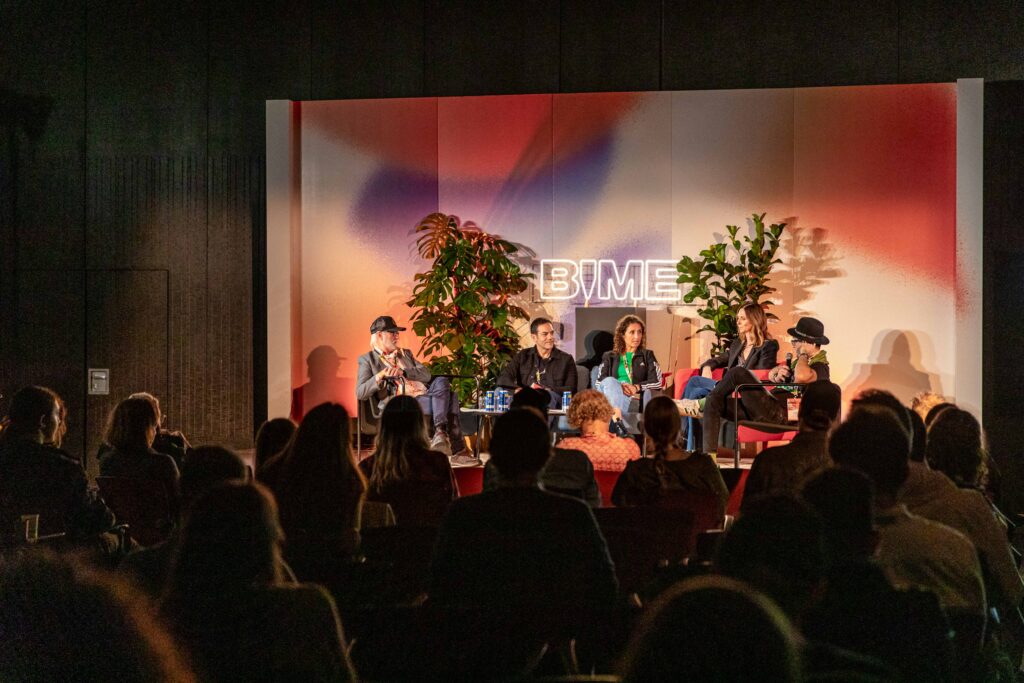
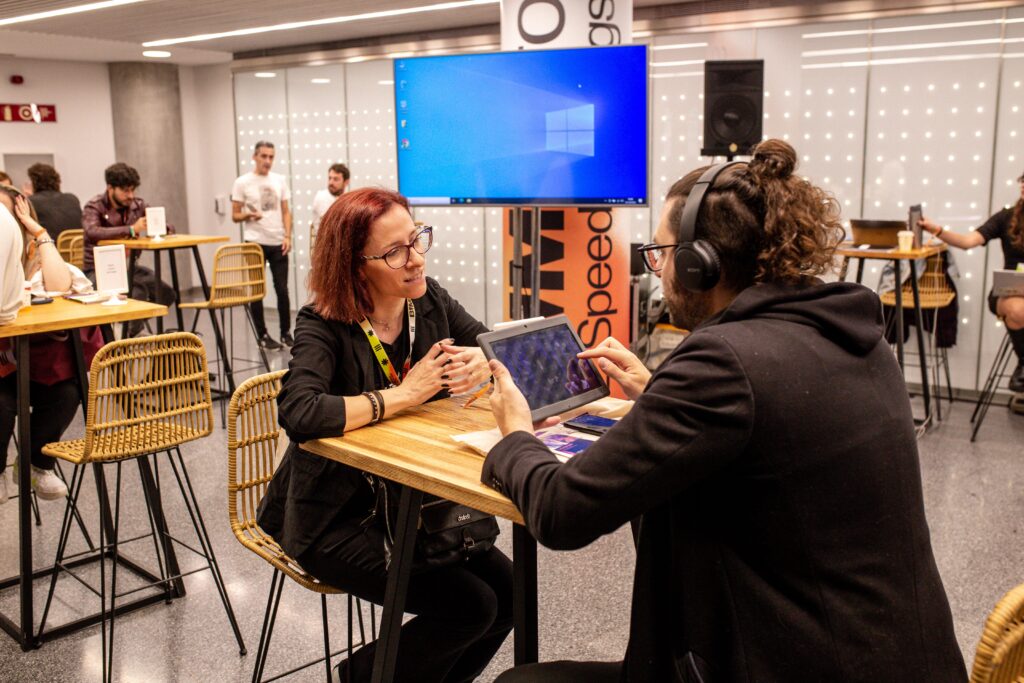
At every BIME Bogotá, you see the same thing: a first-time attendee stands in a hallway at Universidad EAN, business card ready, unsure who to approach. Five years later, that person comes back with a full schedule, planned meetings, and new questions. This quiet change in how people use their time is what really builds a market, not just the lineup or panels.
When BIME arrived in 2022, the Latin American music industry had spent two years apart. There were no festivals, no markets, and none of the usual places where real connections happen. The pandemic didn’t just stop concerts; it broke the network of relationships that keep the cultural scene alive. BIME came at a moment when people urgently needed to reconnect. It wasn’t just another event, it was the first one after a long silence.
BIME’s greatest value wasn’t what it brought from elsewhere. It gave the local industry a chance to see itself again, face to face.
What Happened Edition by Edition
At the first edition, there was a sense of discovery and relief. European professionals saw how much was happening in Colombia and the region. Local attendees realized how helpful this kind of event could be for their projects. The showcases attracted people, but the real connections happened in the hallways.
Over time, things shifted. Attendees began to arrive with clear agendas, scheduled meetings, and focused questions. The event grew as people started to make it their own. That shows it worked.
What BIME Did Well
BIME made the local industry take a break it rarely gets. It’s not that people don’t want to, but daily work leaves little time to reflect. Events like this make you explain your work to others, see new perspectives, and learn how others solve similar problems. That value isn’t in any report, but everyone who attended felt it.
BIME also kept its momentum. Holding five editions in a row in a Latin American city is impressive. Many events start strong but fade after a couple of years. BIME built a loyal group that returns, brings new faces, and comes back each year with a clearer purpose.
What’s Still Missing
Regional representation in the professional program is still uneven. Some Latin American countries are almost absent from the panels. Their artists may perform in the showcases, but their industries, independent labels, cultural managers, and unique challenges are missing from the conversation. This is still an issue to address.
There’s also a question people rarely ask: who really benefits from these events? Those with some experience, a network, and industry knowledge gain the most. An emerging artist without contacts or a plan has a very different experience. This isn’t just a BIME issue, it’s a challenge for music markets everywhere. Still, it’s important to point out.
After five editions, it’s time to move beyond just celebrating the event’s existence and start asking tougher questions. We’ve earned that.
Our Take
We’ve covered BIME Bogotá since the beginning and continue because we believe in what it stands for: a place where the Latin American music industry reflects on itself and looks outward. That matters.
But the best way to support an event with this history is not to settle for its presence. Now, BIME Bogotá is mature enough to ask tougher questions, bring in more regional voices, and become a platform that not only connects with Europe but also strengthens ties within Latin America. The most valuable networks aren’t always international, sometimes they’re local or regional. That’s important too.
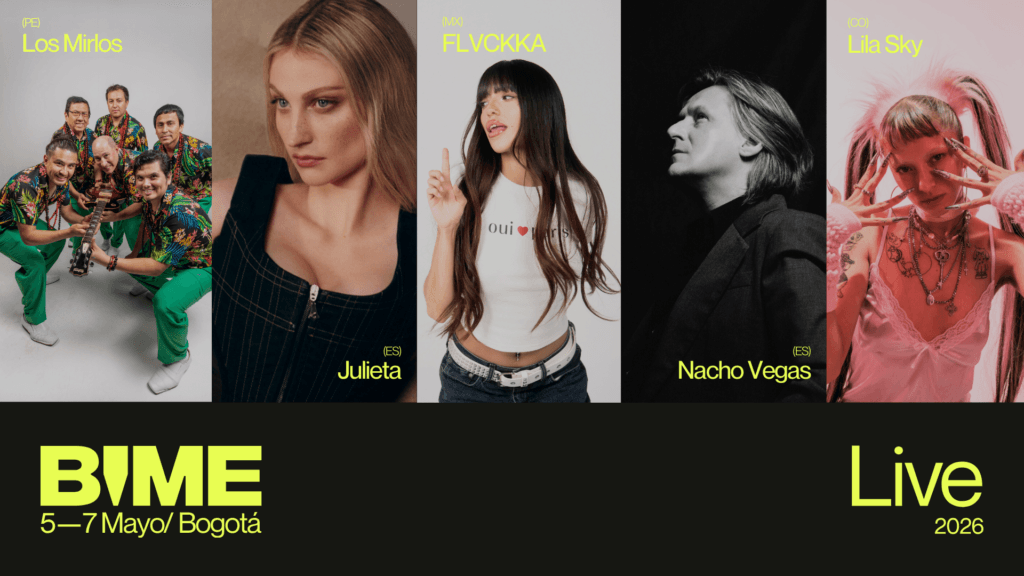
BIME Bogotá 2026 · May 5, 6 and 7