The Hottest Indie Band Right Now Had Fake Fans. They Still Played Coachella.
It started with a post on Substack.
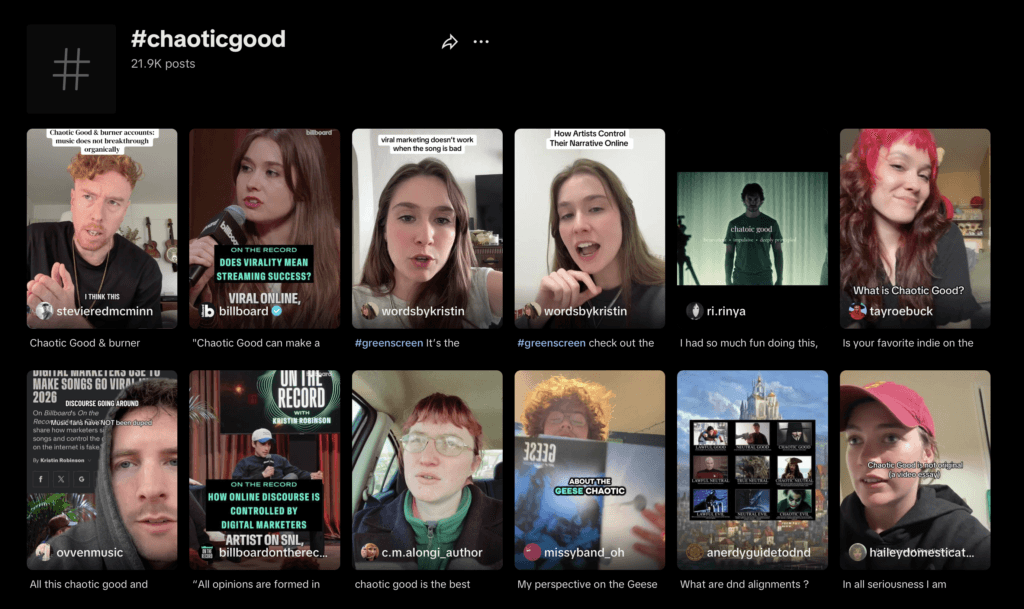
Eliza McLamb, an independent musician with ten years in the business, found a Billboard interview with the founders of Chaotic Good Projects. This digital marketing agency claims it can make artists go viral by creating fake fan accounts. What shocked her wasn’t that the agency existed, but who their clients were: Geese, Dijon, Mk.gee, Laufey, Wet Leg, Oklou. These are some of the biggest indie names from the past two years.
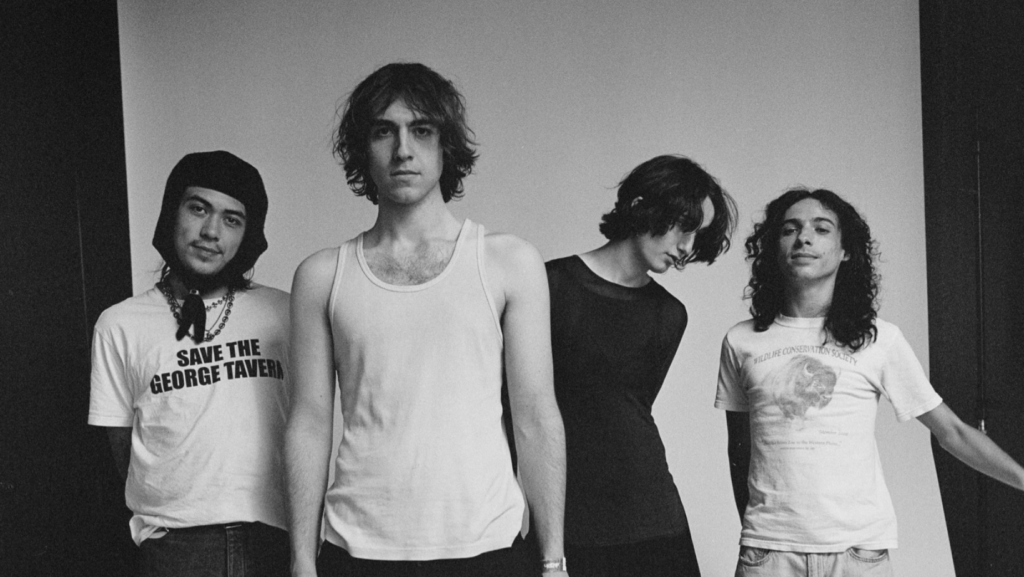
Geese is a Brooklyn band. Their fourth album, Getting Killed, came out last September. The New Yorker named it the best record of 2025. They played on Saturday Night Live in January and at Coachella just two weeks ago. Their quick rise led to rumors that they were industry plants. Now, there was real evidence to consider.
Chaotic Good runs a network of employees and contractors who post as if they are real fans. They share edits, performance clips, and emotional posts, creating enough activity to fool TikTok’s algorithm into thinking a song is trending. “Our office is overrun with iPhones,” one of the co-founders told Billboard.
But the debate McLamb started was more uncomfortable than just exposing one agency. Before the scandal broke and the list was removed from the agency’s website, it also included Dua Lipa and Justin Bieber. What began as a claim against Geese turned into a reflection on the whole industry.
The real difference isn’t about authentic or fake artists. It’s about which genres expect marketing and which ones treat authenticity as an unspoken promise to the audience. In pop, everyone knows there’s a machine working behind the scenes. In indie rock, that machine isn’t supposed to be there. That’s why it feels like a betrayal.
Geese’s fans were furious, not at the agency, but at the idea that their love for the band wasn’t real. And they have a point: no TikTok account made The New Yorker choose Getting Killed as their top album of the year. The algorithm might get you noticed, but what happens after that is another story.
Listen To Our Playlists : HITS MALSONANTES 2026
The scandal hit closer to home for some. Cadence Weapon, the Edmonton rapper with two decades in the game, wrote about his own experience: he thought he had organically discovered music by Chanel Beads, unaware that it had been algorithmically seeded for his listening profile. He wasn’t alone. The list of victims doesn’t distinguish between genres or borders.
The real question isn’t if Geese deserved their success. It’s how many other talented bands missed out because they couldn’t pay to get noticed.
—–
Would it change how you feel if you learned a band used this tactic to get your attention?